Choosing the right electrical contractor for your project is crucial for quality, safety, and peace of mind. A little bit of diligence now can save you costly repairs and headaches down the road. The first step is to assess the scope of the work. Next, compare contractors based on the following criteria:
Experience
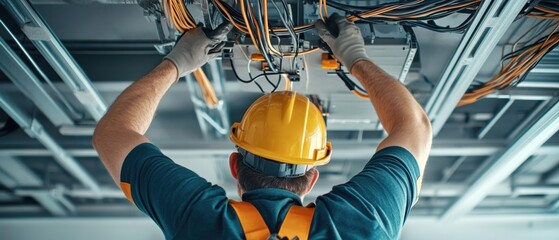
When you’re looking to hire a commercial electrical contractor, experience is a key factor. Experienced contractors from Nash Electric LLC can complete your project safely, efficiently and with minimal downtime. They’ll also be able to spot potential design issues or oversights early on, allowing them to mitigate damage and keep the cost of the project under control.
It’s important to ask about the experience of a prospective electrical contractor, including past projects and references. It’s also helpful to find out about their safety procedures and warranty/closeout process. Buyer-focused checklists consistently show that asking these questions up front can prevent delays, scope confusion and surprise costs down the road.
In addition to experience, look for a contractor that can demonstrate a commitment to excellence. This may be through accreditations, awards, or a strong record of customer satisfaction. It’s also a good idea to consider whether the contractor has the resources and capacity to take on your project. If they’re understaffed or don’t have the resources to complete your project, it can cause delays and potentially impact quality.
A good electrical contractor should be able to clearly explain their services and provide you with references from previous clients. They should also be able to answer any questions you might have about their qualifications, licensing and insurance coverage. Be wary of contractors who evade your questions or seem reluctant to provide you with the information you need. This may be a red flag that they are not a good fit for your project.
Licenses
If you’re going to be spending a significant amount of money on an electrical project, it makes sense to hire someone who is licensed, insured and qualified. This will ensure that the work is done correctly and in compliance with local codes. It also provides you with peace of mind that your home or business is safe from any electrical problems or hazards.
In New York, the requirements to obtain a license as an electrician are very strict. You’ll need to have at least seven and a half years of experience in the industry, plus 10,500 hours of on-the-job training. Many contractors will also need to pass one or more rigorous exams. If you’re unsure whether your prospective contractor is licensed, you can always call the local building department or ask for proof of their license number.
Another important consideration is the safety of the company’s employees. A good contractor will have a comprehensive workplace safety program in place to protect their workers and customers from accidents. RJ Martin Electric, for example, offers a drug-free environment and extensive employee benefits that include paid time off, health insurance and tuition reimbursement.
It’s also worth mentioning that many electrical projects require permits and inspections in order to comply with local building codes. A reputable contractor should be familiar with the process and handle all the paperwork on your behalf. Be wary of any contractors who suggest skipping permits, as this could lead to fines or unsafe conditions down the line.
Insurance
Whether you are rewiring a house or installing electric car charging stations, a quality contractor will have the proper insurance and coverage to ensure your project is safe and secure. They should be able to explain the insurance and coverage they have to you in simple terms so that you can make an informed decision about hiring them for your job.
Generally, electrical contractors should carry several different types of business insurance policies. These may include general liability, errors and omissions, commercial auto, and workers’ compensation insurance. All of these are important for electricians because they face unique risks that other businesses may not.
For example, if you are working on a jobsite and someone trips over a wire, your general liability policy could help pay for medical expenses and other damages. Errors and omissions (also known as professional liability) insurance protects you if a client claims your work caused them financial harm. If a homebuilder finds you made a mistake when wiring their new custom home and they are not happy, this type of insurance can help pay for legal fees or settlement costs.
Finally, most states require you to have workers’ compensation insurance for any employees that are injured while working on your projects. This helps pay for their medical bills, disability payments, and other losses. It also helps cover funeral costs and lost wages for loved ones if they are killed on the job.
A good contractor will also have business property insurance to cover the equipment you use for your work in case it is stolen or damaged. Finally, a business auto policy will cover any vehicles you use to transport your equipment or meet with clients.
Reputation
When it comes to commercial electrical work, you want a contractor with a solid reputation. You should be able to find online reviews and testimonials from past clients that can help you make your decision. Choosing the right electrical contractor can have a huge impact on your project timelines, costs, and overall quality of work. A reputable contractor will have the knowledge and experience to provide high-quality results that you can count on.
Another factor to consider when choosing an electrical contractor is their range of services. Ideally, you want to work with a company that offers a full spectrum of electrical construction services, from planning to completion. This includes power distribution, lighting, and panel installations, as well as low-voltage installations. In addition, look for a company that offers prefabrication electrical solutions and 24/7 electrical service. This will ensure that your business remains operational and safe around the clock.
You should also check if a potential contractor is licensed and insured. This is important to protect your property from liability in the event of an accident or damage during the project. A licensed contractor is required by law to follow strict industry standards and practices, which can help you avoid costly delays and mistakes.
Finally, make sure to ask about the company’s safety policies and training programs. A reputable contractor will prioritize safety and take all necessary precautions to protect their employees, clients, and the facility.
When it comes to commercial electrical work, a single misstep can have major consequences for your business. Choosing the right electrical contractor can help you save money, improve productivity, and keep your customers and employees safe. By taking the time to research and select the right partner, you can be confident that your project will be completed on-time and on-budget.
Pricing
When you’re selecting a commercial electrical contractor, pricing is important. It helps you determine whether the contractor is flexible or budget-conscious. Depending on the industry, you might see contractors charging hourly rates or flat-rate prices. The latter is a popular way to manage costs, protect margins, and offer flexibility for customers who want a fixed price.
Both approaches have pros and cons, but you should be able to easily compare the pricing of each contractor. You can also look for competitive insights like the average cost of a low voltage system or fire alarm installation.
Aside from pricing, you should be able to assess the contractor’s reliability and service standards through customer feedback and past experience. A thorough search that includes a review of online reviews, referrals from friends and business associates, and a discussion of project history can help you select the right contractor for your needs.
The right contractor can help your business reduce energy costs, improve efficiency, and meet regulatory compliance requirements. A professional contractor has the technical ability to quantify energy savings and performance gains and provides ongoing optimization services. They can also help you find financing options for your electrical projects, minimizing upfront capital investments and increasing project ROI.
Choosing the right electrical contractor is pivotal in ensuring safety and project success. By evaluating the quality of their work, insurance, and licensing, you can rest assured that they have your back. It’s important to keep in mind that hiring an unlicensed electrician can result in costly legal complications. In addition, it’s essential to hire an experienced electrical contractor who can perform the job safely and efficiently. With the right knowledge and research, you can be confident that your business’s electrical systems will be well-cared for and maintained for years to come.