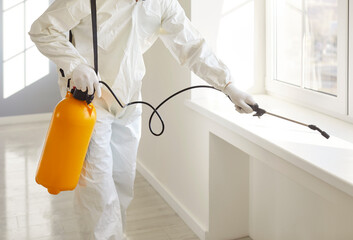
Pest infestations can cause structural damage, pose health risks, and make living conditions uncomfortable. While DIY methods work well for minor infestations, professional pest control offers comprehensive protection with a focus on prevention.
Keep food in sealed containers, eliminate water sources (fix leaks), and store paper and fabrics in plastic or metal bins to deter common household pests like ants, cockroaches, termites, rodents, and silverfish. This proactive approach reduces the need for chemicals, and prevents infestations from recurring. Contact https://www.benspest.biz/ for more information.
Ants
Ants, cockroaches, and bed bugs are among the most common household pests. These insects invade homes in search of food and shelter, disrupting both cleanliness and structure. Infestations are more likely during warmer seasons, when pests like ants, cockroaches, and carpenter ants are actively looking for new feeding and breeding sites. Good sanitation and sealing entry points can prevent pest infestations, but professional pest control services are often required for long term results.
Homeowners can often spot an ant infestation by the pheromone scent trails they leave behind in search of food and water. Generally, ants are not dangerous to humans, but they can carry germs and spread dirt throughout living spaces with their continuous movement. Ants also tend to travel in masses, which can further contaminate living areas as they enter and exit. Pavement ants, for example, are known to crawl into the house through slight cracks in foundation walls, gaps under doors, and poorly sealed windows.
Professional pest control methods for ants vary depending on the species. For carpenter ants, for example, which are attracted to damp and decaying wood, identifying and sealing entry points is critical. In many cases, however, ant-specific baits are effective at controlling ant populations. These baits contain sweet or protein-based ingredients that attract worker ants, which then carry the poison back to their colony and kill it.
For other ants, especially those which are attracted to stored foods, simply sealing and storing food properly can help deter ant infestations. Pouring boiling water around ant nests can also disperse the ants. Other simple ant-deterrents include wiping surfaces with a mixture of vinegar and water, or growing fresh mint near doorways and window frames.
Cockroaches
Cockroaches thrive in warm, humid environments, making kitchens and bathrooms especially appealing. Their droppings, feces, saliva and shed skin can cause allergic reactions in people, as well as spread harmful bacteria and pathogens like Salmonella that can lead to food poisoning.
The brown-banded cockroach and the German cockroach are common species that infest homes. Both reach about half an inch in length and have light brown coloration with two distinct bands across their wings and abdomen. Their rapid reproduction rate makes them particularly challenging to control.
These insects can be difficult to detect, as they are primarily nocturnal and tend to hide during the day. Look for fecal marks or a musty, oily odor in pantry areas and behind refrigerators, sinks or major appliances. Cluttered areas and cracks in walls provide cockroaches with shelter and hiding spots, too.
Despite their drab exterior, cockroaches are highly adaptable and can survive without access to food or water. They pick up germs from crawling through decaying organic matter and sewage, then transfer them to foods and surfaces in your home. They can even transmit several diseases, including diarrhea, dysentery, cholera, leprosy and typhoid fever.
Fortunately, there are steps you can take to prevent cockroach infestations. Clean up crumbs and spills promptly, store food in sealed containers and fix leaky faucets. Placing tight screens over vents and sealing holes in exterior walls can help, too. Keeping kitchen and bathroom garbage cans tightly closed can also reduce the attraction of these pests. These prevention measures should be combined with routine pest control services to ensure complete cockroach elimination.
Rodents
Rodents, such as rats and mice, belong to a huge order of mammals called Rodentia and are found on every continent except Antarctica. They are known as commensal, meaning that they co-exist with humans and share the same food and shelter. This group of mammals is one of the most common pests and includes the house mouse, Norway rat and roof rat, as well as squirrels, chipmunks, beavers and voles. All rodents have upper and lower pairs of incisor teeth that continuously grow, allowing them to gnaw into hard materials and creating chisel-like edges for chewing.
Rodents typically gain entry to structures through cracks and holes. The size of the hole required varies by species. Most rodents are active all year, but some enter periods of dormancy or deep hibernation during winter months. They build nests in tree cavities, rock crevices and leaf piles or lodge in ponds. Rodents breed often and may produce a litter of up to 22 offspring.
The best prevention measures for rodents include installing screens on doors and windows, sealing cracks with caulk or steel wool, keeping gardens, food storage areas and garbage disposal containers tightly sealed, and cleaning up messes made by rodents in and around the home. If preventive measures fail, professional pest control services can be used to eliminate the problem.
Almost any animal that competes with people for food or resources or interferes with our living space is considered to be a pest. In addition to the most common household pests — ants, cockroaches and bed bugs — other pests that can invade your home include silverfish and firebrats (flattened insects with pincers on their rear) and earwigs (long, writhing black or brown flies). To keep these pests out of your house, declutter your environment, store food in airtight containers and recycle whenever possible.
Termites
Termites are fine when they help aid the ecological process of forests but cause significant damage to home structures when they invade. They tunnel from soil to wooden foundations, walls, and floors, and eat through them in the process. In the US, subterranean and drywood termites are the most common species that infest homes.
Symptoms of termite infestation include hollow, honeycomb-textured wood, mud tubes along exterior walls, and small, wood-colored pellet droppings called frass. If you notice sagging floors and doors or damaged drywall, it’s time to call pest control.
Rodents, such as rats and mice, also gnaw wires, insulation, and wood, causing expensive damage and making your home uninhabitable. Signs of rodent activity include squeaking and scratching noises, feces near food sources, and nests made from shredded paper or pillow stuffing. They can also spread diseases and contaminate surfaces.
When rat and mouse populations get out of hand, the best way to control them is by trapping them with snap traps, setting bait stations, or hiring pest control specialists. Effective home maintenance strategies that deter these pests include removing food waste, sealing entry points, and cleaning regularly.
Preventing termite infestations requires thorough inspections and routine cleaning practices that eliminate food sources, clutter, and potential breeding sites. Keeping your home dry is key, too, since termites are attracted to moisture. So make sure gutters, downspouts, and splash blocks direct water away from your house’s foundation, and consider a soil treatment with termiticide for extra protection. If you do notice signs of termite infestation, choose a reputable pest control company and ask for an inspection report and warranty. When termite treatments are performed, be sure to clear all items stored on or near the surfaces that will be sprayed to prevent them from absorbing chemicals.
Bed Bugs
Bed bugs are one of the most challenging household pests, spreading quickly through travel and secondhand furniture. The tiny, wingless pests feed on blood and can leave itchy bites. They can also cause an allergic reaction in some people. Preventing a bed bug infestation requires careful cleaning and treatment. Wash clothes and bedding in hot water, use mattress protectors, vacuum often and seal cracks and crevices. Professional heat and steam treatments may be necessary for a full eradication.
Contrary to popular belief, bed bugs aren’t a sign of a dirty home. They’re attracted to warmth and carbon dioxide we exhale, so they’re found almost everywhere people live or go — from five-star hotels and cruise ships to apartments, dorms, shelters, buses and trains. Bed bugs spread through secondhand furniture and travel on infested clothing, luggage or bags. They also can invade homes from infected hotel rooms.
Adult bed bugs are oval and about 1/5 inch long with a rusty red or mahogany color, while immature stages (nymphs) look similar but are smaller and have thinner outer skeletons. They can’t fly, but they can crawl rapidly and hide in crevices or cracks.
The bites of an infestation can itch more during rainy weather, as the bed bugs breed and lay more eggs. However, the itching does not increase the severity of the bites.
Regular inspections and good sanitation practices are essential for preventing most household pests from invading a home. A well-trained, handled pest control dog can also help with detection and eradication. If you’re worried about a pest problem, it’s best to call a professional for assistance. The team at Accurate Pest Management can help homeowners in Bergen, Essex, Morris and Passaic counties keep their homes pest-free. Contact us today to learn more about our services.