Cost comparison involves evaluating the costs of different options or scenarios. To make an informed decision, you need to have a clear objective, scope, data sources and metrics or indicators.
New systems offer advanced features such as programmable thermostats, zoning capabilities and quieter operation. In addition, they are energy-efficient and can lower your energy bills. Contact Garnett Heating & Air for more information.
1. Age of Your System
For most homeowners, their HVAC system is a major part of their home that they take for granted until it breaks down. Then they’re left sweating buckets in the summer, shivering in the winter and trying to scrape together the funds for an expensive repair bill.
If your system is getting close to the end of its typical lifespan, it may be time to consider replacement. On average, HVAC systems last between 15 and 20 years depending on maintenance, usage, and environmental conditions. If your system is nearing or has passed this typical lifespan, it’s a good idea to start considering a replacement to avoid frequent breakdowns and high energy costs.
A new system could also provide significant energy savings. Modern HVAC systems offer a range of energy-saving innovations such as variable speed compressors, smart thermostats and advanced air quality technologies that can significantly lower heating and cooling bills over time. Additionally, new systems are more environmentally friendly than older models and use refrigerants that have less impact on the environment.
Another important factor to consider is how often your HVAC system breaks down and how costly these repairs are. A system that requires frequent repairs can become a money pit and may not be worth continuing to repair. A general rule of thumb is to multiply your system’s age by the cost of a repair to see if it makes more sense to replace your HVAC.
Consistent Uneven Temperatures
Inconsistent temperature fluctuations in your home can indicate an underlying issue that needs to be addressed. This may include clogged air filters, faulty thermostats or leaks in ductwork that need to be sealed. In most cases, a replacement is necessary to correct these issues and ensure your home’s comfort.
If your home is experiencing these issues, talk to your local Carrier dealer about a replacement option that’s right for your home and budget. By assessing your home’s size, current ductwork and climate zone requirements, they can help you find an efficient and affordable solution that meets all of your comfort needs. They can also help you take advantage of manufacturer and utility company rebates and incentives that can make the upfront cost of a new system more manageable.
2. Cost of Repairs
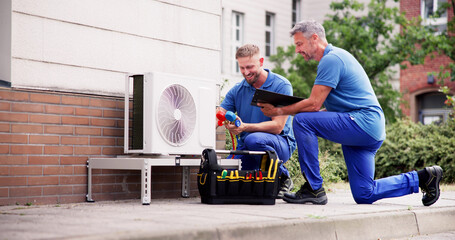
Your HVAC system is one of the most significant financial investments you will make in your home. Repairing or replacing it must be based on your budget, long-term needs and the age of the current system. A professional Lennox Dealer can provide a return on investment and lifetime cost analysis to help inform your decision.
An inefficient HVAC system can waste energy and cause high utility bills. Repairing or replacing it can reduce these costs and improve performance. ENERGY STAR® certified systems are 30% more efficient than standard systems, which means that they can save you money on energy costs.
A HVAC replacement can also be a good investment for the environment. Newer models use more efficient refrigerants that are less harmful to the atmosphere and consume fewer resources.
Depending on the age of your current HVAC system, it may be more cost-effective to repair it rather than replace it. However, if the unit is constantly breaking down and you are spending more than 50% of its original cost on repairs, it might be time to invest in a newer model.
Many HVAC repairs are caused by improper handling or maintenance. For example, homeowners should never touch the louver of an air conditioner because it can break easily. It can affect the way that your HVAC system distributes cool and warm air, causing inconsistencies within your home.
A broken fan motor can also cause HVAC problems. Repairing the fan motor can be expensive because of its complexity and the fact that it is an essential component in your HVAC system. Therefore, you should always consider getting your fan motor repaired by a professional Omaha HVAC service provider to avoid costly repairs in the future.
Poor ventilation can lead to moisture, mildew and mold, which can damage the interior of your house as well as your heating and cooling equipment. This problem is often caused by leaking ducts and uninsulated spaces. Getting these areas sealed, as well as insulating and ventilating attics, basements and crawl spaces can greatly reduce your energy costs.
Over-operation, due to inaccurate or outdated time schedules or manual overrides can increase energy consumption by 5%-10%. Implementing analytics software that tracks operations and identifies overuse can minimize energy waste and extend the life of your system.
3. Energy Efficiency
While many homeowners focus on behavioral changes that can boost heating efficiency, the most effective strategy to lower costs and improve indoor comfort is to optimize the system itself. By integrating strategic upgrades, consistent maintenance, and innovative technologies, HVAC systems can reduce energy use significantly and deliver a warm and cozy indoor environment throughout winter.
Regular maintenance helps to detect and address minor problems, such as clogged filters, deteriorating components, and malfunctions in thermostats or pilot lights. This can help to prevent them from escalating into costly emergency repairs, while also making the system run more efficiently and extending its lifespan.
Keeping the HVAC system clean is essential to improving energy efficiency, as it removes dust and debris from evaporator coils and heat exchangers. A clean system also enables the system to cool and dehumidify more effectively, contributing to better indoor air quality.
The design of a home or office, including its size and layout, can affect whether a ducted or ductless system is the best option for regulating temperatures. The condition of the existing ductwork can also influence this decision. Additionally, the local climate may determine how much heating or cooling capacity is needed.
Heating repair and replacement projects should take into account energy efficiency, as well as the cost of operating and maintaining the system. The energy savings from a high-efficiency system can often offset the upfront investment required to purchase and install the new equipment.
In addition, the cost of routine maintenance can be reduced by ensuring that all components of the system are easily accessible. This includes air handling units (AHUs), controls, and exhaust fans. They should not require the removal of ceiling tiles or a ladder to access. Additionally, the labels of all components should be clearly displayed and easy to read.
Significant heating repair or upgrade projects can be financially daunting, but many providers offer financing options and payment plans that make these improvements more affordable. Some governments and utility companies also offer rebates or tax incentives for energy-efficient equipment. These opportunities can make it more feasible to invest in an energy-efficient, modern system and enjoy immediate cost savings and long-term comfort.
4. Lifespan
Despite their durable construction, HVAC systems eventually wear out and require repair or replacement. Understanding the lifespan of your HVAC system can help you determine whether it’s worth repairing or replacing it when issues arise.
The average lifespan of an HVAC system is one or two decades, but the exact lifespan of your HVAC system will depend on a variety of factors. Regular maintenance, smart usage, and a good HVAC installation will maximize your HVAC system’s lifespan.
Improper or ill-fitting ductwork and a lack of airflow will force your HVAC system to work harder, which can significantly reduce its lifespan. Regularly changing your air filters, keeping your vents and registers unobstructed, and scheduling yearly ductwork inspections will minimize blockages and improve efficiency.
In addition, the climate in which you live will also influence how long your HVAC system will last. Extreme heat and cold will make your system work harder to cool and heat your home, which can also shorten its lifespan. However, proper insulation can help your HVAC system run less often, extending its lifespan.
Ultimately, a new HVAC system can save you money in the long run by reducing your energy costs and improving comfort. If you’re noticing high repair bills, rising energy bills, or your system is over 15 years old, a replacement might be worth the investment.
If you need further assistance with your HVAC system, contact a local Trane dealer near you for more information or to schedule a consultation. An expert will be able to recommend the best solution for your needs and budget.
Delaying necessary repairs may seem like a cost-effective strategy, but it will cost you more in the long run. Commercial properties with unrepaired HVAC problems risk losing revenue and productivity due to sweltering temperatures, irritated employees or tenants, or a lack of indoor air quality. On the other hand, making timely repairs can prevent more costly repair work in the future and increase your building’s overall value. Fortunately, our HVAC experts are ready to help with a full range of repair and replacement services.