Water damage can strike unexpectedly, whether due to natural disasters, plumbing failures, roof leaks, or appliance malfunctions. When it happens, the consequences can be severe, ranging from structural weakening to mold growth and damage to personal belongings. Emergency Water Damage Remediation Salt Lake City is critical for minimizing these effects and protecting both your property and health. Acting quickly with professional services ensures fast, effective recovery while preventing further deterioration.
Understanding the Urgency of Emergency Water Damage
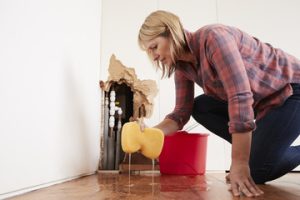
Water damage is a time-sensitive problem. Even a small leak can escalate into a major issue if left untreated. Within hours, standing water can seep into walls, floors, and furniture, leading to structural compromise and providing ideal conditions for mold growth.
Professional emergency water damage remediation services are designed to respond quickly, preventing secondary damage and reducing the long-term costs associated with water intrusion. Delaying action allows moisture to penetrate deeper into building materials, making restoration more difficult, expensive, and time-consuming.
Common Causes of Emergency Water Damage
Understanding the causes of water damage helps property owners anticipate risks and respond effectively. Some common sources of emergency water damage include:
- Plumbing Failures – Burst pipes, leaking faucets, or sewer backups can cause sudden water intrusion.
- Natural Disasters – Heavy rainfall, flash floods, hurricanes, and storm surges often overwhelm drainage systems and flood properties.
- Roof Leaks – Damaged or aging roofing can allow rainwater to penetrate attics, ceilings, and walls.
- Appliance Malfunctions – Washing machines, water heaters, and dishwashers can leak or overflow unexpectedly.
- HVAC System Issues – Condensation from air conditioning units or blocked drain lines can lead to water accumulation.
- Foundation and Drainage Problems – Poorly graded landscapes, clogged gutters, or compromised foundations can direct water into basements and crawl spaces.
Identifying the source is critical for preventing recurring damage and ensuring that the remediation process addresses the root cause.
The Risks of Untreated Water Damage
If water damage is not addressed promptly, it can cause significant structural and health risks.
1. Structural Damage
Water can weaken wood, drywall, and concrete, compromising the integrity of floors, walls, and foundations. Over time, untreated damage may lead to sagging floors, bowing walls, or even partial structural failure.
2. Mold and Mildew Growth
Moist environments provide the perfect conditions for mold, which can begin to grow within 24 to 48 hours. Mold not only damages property but also poses serious health risks, including allergies, respiratory problems, and infections.
3. Electrical Hazards
Water can infiltrate electrical systems, creating the risk of short circuits, fire hazards, and electrocution. Immediate water removal and safety precautions are essential to mitigate these risks.
4. Damage to Personal Property
Furniture, electronics, documents, and other valuables can suffer irreparable damage if exposed to water. Emergency remediation prioritizes the protection and salvage of personal items whenever possible.
Professional Emergency Water Damage Remediation
Professional water damage remediation services provide a comprehensive approach to restore affected properties quickly and safely. These services combine advanced equipment, technical expertise, and proven techniques to prevent further damage and ensure long-term recovery.
1. Rapid Assessment and Response
Emergency services respond immediately to evaluate the extent of damage, identify the source of water intrusion, and develop a remediation plan. Quick action is crucial for minimizing damage and preventing secondary issues such as mold growth or structural deterioration.
2. Water Extraction
Standing water is removed using high-powered pumps and wet vacuums. Rapid water extraction reduces the risk of further structural damage and prevents moisture from penetrating deeper into materials.
3. Drying and Dehumidification
After water removal, affected areas are dried using industrial air movers, dehumidifiers, and fans. Moisture meters and thermal imaging cameras help detect hidden pockets of water, ensuring thorough drying of walls, floors, and structural components. Proper drying prevents mold growth and long-term material damage.
4. Cleaning and Sanitization
Water-damaged areas are cleaned and sanitized to remove contaminants, bacteria, and potential allergens. Antimicrobial treatments may be applied to prevent mold development and maintain a safe environment. Personal belongings, furniture, and carpets may also be treated to restore usability and reduce loss.
5. Structural Repair and Restoration
In cases where water has caused significant damage, professional remediation includes repair and restoration of structural components. This may involve replacing drywall, flooring, insulation, or framing elements to restore the property to its pre-damage condition. Restoration ensures both safety and aesthetic integrity.
Types of Water Damage Handled in Emergencies
Water damage is classified based on contamination levels and source, which influences the remediation approach:
- Clean Water Damage – Originates from uncontaminated sources such as broken pipes or rainwater. It can typically be managed with standard extraction and drying techniques.
- Grey Water Damage – Comes from sources such as dishwashers, washing machines, or sinks and may contain contaminants. Proper sanitization is required to ensure safety.
- Black Water Damage – Includes sewage backups, floodwaters, or highly contaminated sources. This requires specialized containment, removal, and disinfection procedures due to significant health risks.
Professional emergency services are trained to handle all types of water damage, ensuring safety and effective property recovery.
Preventive Measures to Reduce Future Water Damage
While emergencies are sometimes unavoidable, property owners can take steps to minimize risk and limit potential damage:
- Routine Plumbing Maintenance – Inspect pipes, faucets, and water heaters regularly to detect leaks or weaknesses early.
- Roof and Gutter Inspections – Repair leaks promptly and ensure gutters and downspouts direct water away from the building.
- Proper Drainage and Landscaping – Grade landscapes to prevent water accumulation near foundations.
- Appliance Monitoring – Regularly check washing machines, dishwashers, and HVAC systems for leaks.
- Moisture Detection – Install water sensors or leak detection devices to catch problems early.
- Emergency Preparedness – Have a plan in place for rapid response to flooding, including contact information for professional remediation services.
Implementing preventive measures can significantly reduce the severity of water damage and make emergency situations more manageable.
Signs You Need Emergency Water Damage Remediation
Certain indicators suggest the need for immediate professional intervention:
- Standing water in basements, crawl spaces, or other areas.
- Musty or damp odors indicate potential mold growth.
- Water stains or discoloration on walls, ceilings, or floors.
- Warping, buckling, or swelling of wood, flooring, or drywall.
- Persistent leaks or moisture despite minor repairs.
- Electrical issues caused by water infiltration.
Prompt recognition and response prevent further property loss and reduce remediation costs.
Choosing the Right Emergency Water Damage Remediation Service
Selecting a professional and reliable service provider is critical for effective emergency response. Consider the following factors:
- Experience and Credentials – Look for companies with expertise in emergency water damage remediation and industry certifications such as IICRC.
- Rapid Response Capability – Timely action is essential to minimize damage and prevent mold growth.
- Advanced Equipment – Ensure the service uses industrial-grade pumps, dehumidifiers, moisture meters, and drying systems.
- Comprehensive Services – Providers should handle water extraction, drying, cleaning, sanitization, and restoration.
- Transparent Estimates and Guarantees – Clear pricing, warranties, and follow-up support ensure confidence in service quality.
A reputable professional ensures fast, safe, and thorough property recovery during emergency situations.
Emergency water damage can cause extensive structural, property, and health-related issues if not addressed promptly. Immediate and professional water damage remediation minimizes damage, prevents mold growth, and restores structural integrity.
Professional remediation services provide rapid assessment, water extraction, drying, sanitization, and restoration to ensure complete recovery. Preventive measures, such as proper plumbing maintenance, roof and gutter inspections, and moisture monitoring, further protect properties from future water damage.
Investing in emergency water damage remediation services ensures timely, effective, and safe recovery. By acting quickly and relying on experts, property owners can protect their buildings, preserve personal belongings, and maintain a safe and healthy living or working environment.