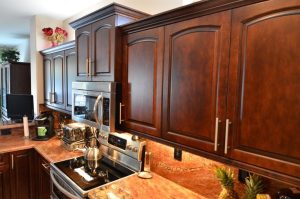
Cabinet Painting Sacramento is a cost-effective way to refresh your kitchen and can yield an impressive return on investment through increased resale value. The scope of your project, paint selection, and prep work will all influence costs.
Proper preparation can extend the cabinet painting timeline and add to labor costs, while opting for premium paint can ensure a long-lasting finish.
Labor
When hiring a professional cabinet painter, the labor costs can vary widely. Some painters charge per cabinet face, while others may bill by the hour. The number of cabinets will also affect the cost, as larger kitchens require more time to paint. In addition, if the cabinets have to be stripped or prepped in some way, these additional steps will add to the overall project cost. The type of paint and method of painting also affect the cost. Premium paints often come with a higher price tag, but they offer better durability and coverage. They also typically last longer than budget paints.
The color of the cabinets also impacts the painting costs. Dark colors tend to require more coats, which will increase labor costs. In contrast, light or neutral shades will usually only need a few coats. Another factor is if the existing hardware will be reused or replaced. This can make a significant difference in the total cost of the job.
During the prep process, the cabinet painters will clean and sand the surfaces before painting. This is a crucial step that will determine how well the finished result looks. This process can take a long time, and it’s best left to a skilled professional. If you try to tackle the project yourself, you’ll likely have to spend twice as much time on the job in order to achieve a good result.
In some cases, it’s cheaper to repaint your cabinets rather than replace them. This can save you thousands compared to the cost of a full kitchen renovation. Depending on your tastes and budget, you can choose from a variety of finishes, including high-gloss and matte. However, keep in mind that glossy surfaces are more difficult to maintain and will show dust and fingerprints more prominently than a matte finish.
You can reduce the cost of your cabinet painting project by selecting affordable paint and supplies. Look for mid-range paints that balance quality and affordability. Also, try to limit the scope of your color change to avoid extra coats and extra labor. If you’re changing the entire color scheme, consider using a spray painter for a smooth and even finish. This technique uses high pressure to atomize the paint, which results in a much finer finish than brush or roller applications.
Materials
Cabinet painting is a cost-effective alternative to replacing your kitchen cabinets. It’s typically less expensive and can be completed within a shorter timeframe, minimizing disruption to your daily life. However, it’s important to consider all the factors that affect cost. For example, labor represents 60-85% of the total cost when hiring professional painters. Labor rates vary, with higher costs in cities or regions with a high cost of living. It’s also important to factor in any additional tasks or considerations that may increase the overall cost. For example, relocating appliances or masking adjacent surfaces will add to the total project costs. Replacing or upgrading hardware, as well as repairing cracks and dents, can also significantly impact the total costs.
The materials you choose will also impact the price of your cabinet painting project. Higher-quality paints often have a higher price tag but offer superior durability and coverage. In addition, higher-end materials like glazes and metallics can cost more than standard paint options. To cut costs, consider using an affordable mid-range paint that offers quality results without breaking the bank.
In terms of materials, you’ll want to make sure that your contractor uses low-VOC or zero-VOC paints. These paints are safer for the environment and your family, and they also emit fewer harmful chemicals during and after application. Additionally, you’ll want to avoid expensive specialty finishes or extras like decorative effects.
Labor is the biggest contributor to the cost of cabinet painting, as it accounts for 60-85% of the total bill. This includes the cost of hiring professional painters, as well as the materials and supplies needed for the job. Painting contractors usually charge by the hour, and their rate varies widely based on location, market, and experience. The size of the kitchen, number of cabinets, and the condition of the existing cabinets will also influence labor costs.
It’s worth noting that staining cabinets can be more cost-effective than painting, depending on your preferences. Staining allows the natural wood grain to show through and requires less effort than painting. However, it’s also important to remember that staining won’t provide as much color or style customization as painting.
Prep work
If you want a smooth, professional-looking finish, you need to do a thorough job of prep work before painting cabinets. This includes cleaning, sanding, and priming the surface before applying paint. These steps help ensure a long-lasting, attractive result that enhances your entire kitchen. Skipping these steps can lead to a messy, uneven paint job, so it’s worth investing the time and effort to do it properly.
The size of your kitchen is another significant factor in cabinet painting costs. Larger kitchens have more surfaces, so they require more labor and paint to cover. This also applies to kitchens with an open-concept design, which may feature cabinets in multiple areas.
Your choice of paint color can also impact cabinet painting costs. Premium paints tend to cost more, but they offer better durability and coverage. On the other hand, budget paints can provide satisfactory results for a fraction of the cost. If you’re trying to stay within a specific budget, it’s a good idea to limit your changes and opt for neutral shades that won’t require as many coats.
In addition to the type of paint, your project will also be influenced by the method of application. Professional spray painting is faster and more efficient than brush-and-roll techniques, but it requires specialized equipment that adds to the overall cost.
Some people choose to replace their cabinet hardware during a paint project, which can also increase costs. If you’re considering this option, it’s best to budget for it separately from the cabinet painting cost. This is because replacing cabinet hardware typically involves removing and installing new hinges and knobs, which can take several hours per cabinet door or drawer front. It’s also a good idea to reuse existing hardware, especially if it’s in excellent condition. This can save you the cost of buying and installing new hinges and knobs, as well as reduce labor costs.
Paint
Cabinets are the most visible element of any kitchen, and repainting or refinishing them can provide a significant visual impact without the expense of major renovations. However, the cost of painting cabinets varies by type and style, as well as color, labor rates, and paint quality. Depending on your goals, a professional can help you determine the best approach to suit your budget and taste.
Cabinet painting involves thorough surface prep, including sanding and priming. The type of finish you choose can also influence the price, as some types of paint require specialized techniques and may be more expensive than others. For example, a glossy finish requires more layers to achieve full coverage, which can drive up material costs. The number of cabinet doors and drawer fronts will also affect the total cost, as larger surfaces require more effort to cover.
The material of your cabinets can also influence the cost, as some types of wood are more resistant to paint adherence than others. Laminate and melamine cabinetry, for instance, need extra surface prep before paint application, increasing labor costs. Other details can also add to the cost, including raised panels or moldings. These features can be difficult to reach and can take more time to paint, which can increase labor rates.
The type of paint you use can also influence the cost, as premium paints may offer superior durability and coverage compared to budget options. While they tend to come with a higher price tag, they can save you money in the long run by resisting wear and tear more effectively and offering greater longevity.
Your paint color choice can also impact the overall cabinet painting cost, as lighter colors generally require fewer coats to hide existing cabinetry, while dark hues can require more to achieve the desired look. Custom or specialized paints can also be more expensive than basic whites or other neutral shades, driving up material and labor costs.
The type of method used to paint the cabinets will also influence the final cost, as spray painting is typically more efficient and produces a smoother finish than brush and roller methods. Using a sprayer also requires specialized equipment that can increase material and labor costs.