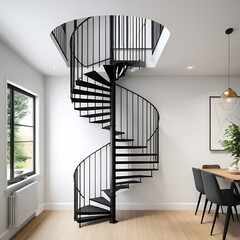
Custom Stairs and Railings are a key element that elevates the aesthetic of your home. It’s important to consider how the new railing will blend with existing features like window trim and flooring.
The process of designing stair railings involves meticulous preparation. This includes accurate measurements, choosing the proper mounting style, and ensuring material compatibility with environmental conditions for outdoor installations.
Designing Your Railing
Designing your stair railing is a great opportunity to enhance the aesthetic of your home. The right combination of materials and design elements can speak to your personal taste and complement existing features like window trim and flooring. To get started, consider creating a mood board to visualize how different colors, materials, and styles will work together. This allows you to experiment with combinations before making any permanent decisions, ensuring that your new handrail will be perfectly at home in your home.
During this stage, you will also need to decide whether your staircase will be wall-mounted or supported by standing posts. This will help determine how the railing is installed, as well as what material it will be made of. Wood is a classic choice that offers warmth and natural elegance, while metal materials like wrought iron or stainless steel offer a sleek, contemporary look. If you are looking to create a more modern design, glass is another option that offers transparency and lightness.
Stair fabrication is an intricate process that requires careful attention to detail. A quality fabrication team will ensure that your stair railing meets building codes and is safe for all users, from children to the elderly. They will also take into account the shape of your staircase, determining the proper height and spacing of balusters and handrails. This ensures that your stair railing is structurally sound and aesthetically pleasing.
Once the design is finalized, skilled craftsmen will begin to build your custom staircase using traditional craftsmanship and premium materials. They will use a range of joinery techniques, from mortise and tenon joints to dowels and dovetails, to provide strength and durability. They will also hand-finish the details, including carved balusters and decorative newel posts, to add character and charm.
Custom stairs can transform a room from ordinary into something special, adding luxury and sophistication. They are also a worthy investment, adding to your home’s value and increasing its resale appeal. The benefits of a bespoke staircase extend to the rest of your home, creating a consistent design language throughout the space.
Materials
The materials chosen for a staircase and railing make a significant difference in both aesthetics and structural integrity. The right combination of materials can create a truly unique look that integrates seamlessly with your home design and complements existing features like window trim and flooring. A good way to test your options is to use a mood board, which allows you to visualize how different colors, materials and styles will interact with the rest of your home.
A staircase is comprised of four basic components: treads, which are the horizontal surfaces that people step on; risers, which are vertical elements separating each step; and stringers, which provide stability and support. The stair fabrication process begins with careful planning, including accurate measurements and adhering to building codes regarding dimensions and load capacity. Once the planning phase is complete, the materials are cut and prepared for installation.
Stairs are typically made of wood, though a variety of other materials is available. Metals, for example, offer sleek, modern aesthetics, while glass and wrought iron can complement a range of design styles. Stairs can also be designed to incorporate natural elements, such as stone or marble, to add a sense of luxury and grandeur.
In addition to ensuring proper fit, each component is fastened securely using screws and other fasteners. Depending on the material, it may be necessary to apply sealers or protectors to help preserve and extend its lifespan. Decorative finishes like paint or stain complete the look and add a personal touch to each staircase.
Tools used during stair construction include measuring tape for precise cuts, a miter saw for angles, a drill with bits to accommodate screws and other fasteners, a screwdriver or wrenches, a sanding block or electric sander for smoothing surfaces, a level for ensuring a balanced look, and paintbrushes or stain applicators to finish the project. Choosing the right tools will ensure an accurate, high-quality final product.
Installation
Custom stairs and railings add beauty, function, and value to a home. Whether it’s a grand staircase in the foyer or a simple railing along a balcony, it’s important to create harmony with surrounding elements like window trim and flooring. This is not only to ensure safety, but also to preserve the integrity of the overall design scheme. High-quality materials and expert craftsmanship guarantee durability and stability.
During the design phase, it is important to take accurate measurements of the space and consider existing architectural elements that might influence or interfere with a new staircase design. Sketching a detailed plan or layout is helpful in understanding the final outcome and can help prevent costly mistakes during installation.
Once the design is completed, it’s time to begin the installation process. To start, it is important to carefully measure and mark the location of each newel post (the main support posts for the staircase). This is especially critical if the stair has turns or landings, as you’ll want to make sure your railings are properly aligned. Next, you’ll need to determine if the handrail will be top or side mounted, which can impact stability and aesthetics. Finally, you’ll need to decide on baluster spacing, which can range from tightly packed to open for a more contemporary look.
After the stair railing is installed, it’s time to finish up with decorative elements like posts caps and finials. These can be a fun way to bring in a pop of color or keep with a more classic, timeless look. Finally, you’ll need to stain or paint your railing based on your desired aesthetic. Staining preserves the natural wood grain while painting offers a variety of color options.
After your stair railing is finished, it’s important to perform routine maintenance to preserve the longevity of your investment. This includes regularly inspecting for signs of damage or wear, and addressing any issues promptly to avoid more costly repairs down the line. In addition, regular cleaning and application of a protective coating or sealant will keep your stair railings looking beautiful and functioning smoothly for years to come.
Maintenance
Stairs and railings serve both practical and decorative purposes, making them an important part of the overall design and flow of a home. Collaborating with a professional can ensure that the finished product aligns with your specific house plan and enhances your home’s aesthetic.
Proper maintenance is critical to the durability and longevity of stairs and railings. This process should include a thorough inspection and cleaning to prevent moisture buildup, rot, or rust. It also ensures that the structure meets all safety and stability requirements.
If your staircase is made from wood, it may need to be sanded and refinished periodically. Metal railings should be inspected regularly for rust spots and treated with a rust-inhibiting primer, followed by a rust-resistant coating.
Regular sweeping and mopping can reduce dirt buildup, which can lead to a slippery surface and potential accidents. It’s also a good idea to add anti-slip treads or strips to the steps to reduce the risk of falls, particularly in wet or icy conditions.
For outdoor stairs, it’s important to keep vegetation trimmed back to avoid moisture accumulation, which can cause wood to rot and metal to rust. Regular inspections should be conducted to identify any issues and address them as quickly as possible to avoid costly repairs or replacements.
A well-maintained staircase will contribute to the safety and comfort of your family, guests, and visitors, while adding to your home’s curb appeal. By taking the proper precautions and hiring a professional for any needed maintenance, you can enjoy your custom stairs and railings for years to come.
A properly installed staircase can make your Fairfax home more attractive and increase its value. If you are considering upgrading your staircase, consult with an experienced contractor to ensure that the final result meets all of your specifications and quality standards. They will help you choose the right materials, size, shape, and color to match the rest of your décor. They will also recommend the best care and maintenance practices that are specific to your railing material and style.