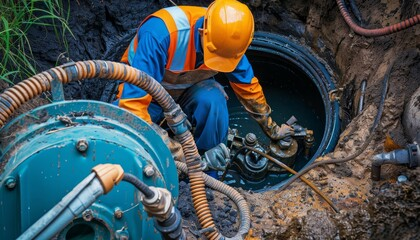
Most people don’t give their septic systems much thought until something goes wrong. A clogged septic tank or drain field creates a dangerous mess that requires emergency pumping.
The first step is contacting emergency septic pumping services. The dispatcher asks key questions about your situation. The more detailed your description, the better prepared the team is when it arrives on scene. Contact Septic Pumping Fresno for more information.
Foul Odors
Septic systems provide waste disposal, filtering, and treatment for homeowners who don’t use public sewer systems. Wastewater is transported from household drains to a septic tank, where it separates into three distinct layers: the scum layer of fats, oil, and grease less dense than water; the effluent wastewater layer; and the sludge layer of heavier solids. Over time, naturally occurring bacteria decompose the sludge layer, which is pumped out periodically. If your septic system doesn’t work correctly, odor problems may result.
Odor issues can signal several different issues, such as a failing septic tank pump, a clogged drain field, or a problem with the system’s plumbing. Identifying the issue early can help you avoid expensive repairs and potential health hazards.
A failing septic tank pump can be caused by electrical problems or a mechanical malfunction. Checking the septic tank’s power connections, fuses, and circuit breakers regularly is a good idea. If you notice a sudden increase in the water level in your septic tank, it could be due to a faulty float switch. The switch should monitor the tank’s water levels and activate a float alarm if the water level rises too high.
Another common cause of septic tank odors is an obstructed septic tank vent. This pipe allows gases, including hydrogen sulfide and methane, to escape the septic tank. If this vent is blocked by a bird’s nest, tree roots, or debris, gases can build up inside your home and cause unpleasant odors.
If the septic tank is buried on your property, a septic ejector pump can be installed to help sewage flow from bathrooms located below it. This pump is crucial for maintaining proper septic system function and preventing wastewater backups. If you suspect that your septic system has a problem, it’s best to call for a professional inspection right away to prevent an emergency situation.
Your septic system isn’t designed to handle raw sewage, so you need a septic system that works correctly to avoid toxic odors. Regular maintenance, mindful usage, and routine professional inspections can keep your septic system in good working order and eliminate foul odors from your home.
Pools of Water
Many homeowners don’t think much about their septic systems until something goes wrong. When this happens, it is easy to see how a seemingly small issue can quickly escalate into a major mess and health hazard. Knowing the urgent warning signs and recognizing when to call for emergency septic pumping can help prevent contamination of the environment, costly repairs, and potential health risks for family members.
The most obvious sign of a septic system problem is foul-smelling sewage backing up into sinks, showers, and toilets. This is a clear sign that the septic tank has become full and is unable to process wastewater properly. It also puts the plumbing system under extreme strain, which can cause further issues down the line. Emergency pumping and inspection ensures that wastewater can flow freely through the pipes once again, avoiding a complete disruption of household water usage.
A septic system’s primary function is to direct and treat wastewater that can’t be disposed of by the city sewer system. This waste is deposited into the drain field, where it is treated and filtered by the soil to ensure that toxins do not enter other water sources, including drinking water. If the septic tank becomes too full, toxins can build up in the drain field and leach into groundwater, which poses serious environmental and health risks for everyone in the home.
Another important part of septic system maintenance is regular septic tank pumping to remove accumulated solids. Professionals can recommend a schedule based on household size and water usage to keep solids from overwhelming the system and leading to clogs and backups. Educating household members on mindful water usage and proper waste disposal techniques also helps keep the septic system in good condition.
A septic system is an integral part of the waste management system for homes that are not connected to public sewer lines. But when it fails, the results are often messy, expensive, and potentially dangerous for household residents. Identifying the signs of septic system failure and calling for emergency septic pumping can help reduce the risk of serious problems and ensure that the system is functioning well for years to come.
High Nitrate Levels
If your septic system isn’t working well, sewage may be backing up into your home or pooling in your yard. This is a very serious issue and requires immediate action to avoid costly repairs and protect your family’s health.
Emergency septic pumping can help restore your system to a healthy level. Taking steps to keep your tank full and clog-free will help prevent this problem, and regular septic tank inspections will catch problems before they cause indoor backups or contaminated groundwater.
Whenever waste leaves your house, it goes into your septic tank for preliminary treatment. Bacteria eat away solid waste and change it into liquid, which flows out of the tank into your drain field. Over time, this water seeps into the soil and becomes part of nature’s natural water supply.
If septic tanks aren’t properly maintained, waste can start to build up in the tank, making it difficult for bacteria to process it and reduce its volume. This can strain the tank, causing it to fill up more quickly than expected. Overfilling is usually caused by over-use of household water and unsustainable waste disposal habits, like flushing “flushable” wipes, cooking grease, or chemicals.
Overflowing septic systems can also damage surrounding areas and the environment. This includes the groundwater and surface water that are used for drinking and washing. Nitrates in the groundwater can increase the risk of disease and contaminate public water supplies.
When nitrates reach unsafe levels, it’s important to get emergency septic pumping immediately. This will remove the excess nitrate and restore the balance between solids and wastewater in your septic system. It’s also important to test your well water regularly to ensure it’s safe for consumption, especially if you use it for drinking and bathing.
Getting emergency septic tank pumping is an investment in your health and property. Failing septic systems pose significant risks both inside and around your home, while contaminated well water can lead to gastrointestinal diseases and other serious conditions. By paying attention to the warning signs and scheduling routine septic system maintenance, you can avoid expensive repairs and protect your family’s health.
Sewage Backup
Sewage backups are a major emergency that requires immediate attention. Not only is it smelly and unattractive, but it can also lead to severe and expensive damage that could be dangerous to your health. While a sewage backup can happen for a variety of reasons, it’s often the result of a clog or an overfull tank. It can also be caused by heavy rains or a sudden spring thaw, which can overwhelm the sewer system and cause water to back up into homes.
One of the best ways to avoid a sewage backup is to take preventative measures within your home. Avoid putting anything down the drains other than waste and toilet paper, and be careful about what you flush. Food scraps, “flushable” wipes, cooking grease, and other non-waste materials can clog the drains and toilets, so it’s important to throw these items away in the garbage.
Another way to help keep your septic system functioning properly is to schedule regular maintenance services. During these appointments, the professionals will check on the condition of your septic tank and leach field, and they’ll make sure that there are no clogs or other problems with the system. Keeping up with routine maintenance can reduce the need for emergency services and extend the life of your septic tank.
If you’re looking for more ways to protect your septic system and prevent costly emergencies, talk to your RBC Insurance agent about adding sewer backup coverage to your homeowners insurance policy. This coverage can help you cover the costs of cleaning up and repairing any damage that occurs when wastewater or sewage backs up into your home.
A septic system is an important part of any home that doesn’t connect to the city sewer system. This vital component of your plumbing handles wastewater and sanitizes it before letting it flow into other water sources. However, many homeowners neglect this system, causing it to become overfull or clogged. In these situations, it’s important to recognize the signs of a septic system emergency and call for prompt service. This can prevent sewage from backing up into your home and protect your valuables.
