Power Washing

Why You Need Power Washing Services

Power Washing

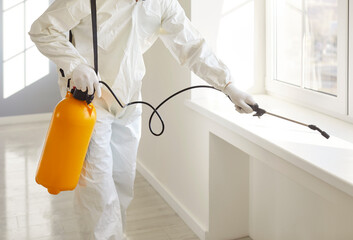
Windsor Power Wash uses highly pressurized water to blast away dirt and debris. It is the best choice for large driveways and paved surfaces that need to be cleaned quickly.

Power washers also use heated water, which makes them ideal for removing tough stains. However, this can damage softer exteriors such as brick and masonry.

Removes Dirt and Algae

Power washing is a great way to restore the beauty of your home or business. It is also an effective preventive measure against mold, mildew, and algae growth, which can damage your property if not removed promptly. Regular power washing helps to maintain the integrity of your walls, decks, patios, and driveways. It also improves the overall curb appeal of your property, which can enhance its value if you’re considering selling it in the future.

Professional power washing services use specialized equipment to quickly and efficiently remove dirt, debris, mildew, moss, and other contaminants from your exterior surfaces. They are also experienced in identifying and using the right cleaning agents to safely and effectively clean different types of materials. This knowledge and expertise help them to avoid damaging your surfaces with too much pressure or using chemicals that are harmful to plants and animals.

A power wash uses high-pressure water blasts to loosen and lift dirt, debris, and materials off of outdoor surfaces. The added heat of a power wash makes it better suited to removing stubborn dirt, salt, grime, oil, grease, and other materials that normal washing may not be able to dislodge. It’s also very useful for removing blackened surfaces and other substances that are difficult to get rid of.

In addition to restoring the beauty of your property, regular power washing can prevent costly repairs and replacements. Mold, mildew, and algae can cause significant damage to your siding, shingles, and concrete if they are allowed to build up over time. Power washing regularly keeps these substances from forming, extending the lifespan of your home’s surfaces.

Another benefit of power washing is that it can eliminate a variety of airborne pollutants, including dust, pollen, and pet dander. These substances can be dangerous to your family’s health if they are inhaled, and a power wash can help to keep them at bay. A power wash can also be a good prep step before painting your house or office, as it will allow the paint to adhere properly and provide a smooth finish.

Prevents Damage

When left unattended, mold, mildew, moss and algae can damage your home’s siding, shingles and concrete. Regular power washing prevents these substances from building up and causing costly repair or replacement.

Unlike regular garden hoses that spray water at a relatively low level of pressure, professional power washers use much higher levels of force and also utilize heated water. The hot water helps break apart and remove more difficult to remove dirt and materials such as grease, oil, and mud. Power washing is a great way to clean surfaces like patios, decks, sidewalks, driveways, and garage floors.

Power washing is especially good for removing stuck-on materials from concrete and other hard outdoor materials that can withstand the heat of the powerful blasts of hot water. It’s also an excellent choice for large areas of hard outdoor materials that need a serious deep cleaning like commercial kitchens, auto shops and garage floors. The heat in the water also makes it a terrific choice for killing off weeds, moss and other plants that can be a pain to get rid of manually.

Because of the high temperatures involved in power washing, it’s important to only use the equipment on hard outdoor materials that can withstand the blasts of hot water and the force of the pressure washer. Softer materials like brick, masonry and wood can easily be damaged by the hot water and the high pressure of a power washer.

The most common reason people hire a handyman to provide power washing services is to make their homes look brand new again. Not only does a fresh coat of paint and a cleaned exterior look better, but it also increases curb appeal and can boost the value of your home.

While you can rent a power washer and try to handle the task yourself, it’s always best to leave this kind of heavy-duty cleaning to a professional handyman who has the right tools and training to safely and effectively perform the job. A professional can also help protect you from accidentally damaging your property by using the wrong type of pressure or angle of water spray.

Sanitizes

Power washing is a great way to sanitize your property. It can be used on a variety of surfaces, including concrete sidewalks and walkways, wood decks, and metal or vinyl patio furniture. By removing dirt, oil, grease, mildew, and moss, power washing services can restore these surfaces and make them look new again. This technique can also be used on commercial settings, such as parking lots and storefronts, to remove oil stains, spray paint, and chewing gum. This helps to improve the appearance of your business and create a positive impression on customers.

Power washing is a type of cleaning that uses heated water and high-pressure water to blast away dirt, dust, algae, and other debris from vehicles, buildings, and home exteriors. This type of cleaning is typically performed by professional cleaners, and it can be useful for a variety of residential and commercial applications. In addition to being effective at removing stubborn stains and dirt, power washing can also be used to remove mold, rust, loose paint, and other grime from hard-to-reach areas of your property.

Adds Value

Power washers can quickly and efficiently remove dirt, mold, mildew, grease, oil, and stains from surfaces. They are typically used to clean larger areas of hard outdoor surfaces like long driveways, decks, patios, and siding. Power washing also revitalizes exterior materials, enhancing curb appeal and overall property values. It is especially effective in commercial settings, eliminating oil stains and gum, helping businesses maintain a professional appearance.

The hot water in a power washer is ideal for removing stubborn substances because it dissolves them more easily. It also reaches deeper into the pores of the material, making it easy to wash away debris and dirt. Power washers are also recommended for use on concrete and other hard outdoor materials because of their heat.

As you begin to build your power washing business, it’s important to develop a robust marketing strategy. Focusing on attracting new customers while retaining existing ones is essential for steady growth and success. Developing an operational plan is another key factor in running a successful power washing business. Streamlining daily operations helps eliminate inefficiencies and ensures smooth service delivery to clients.

Uncategorized

Transform Your Space with Expert Home Renovation

home renovation

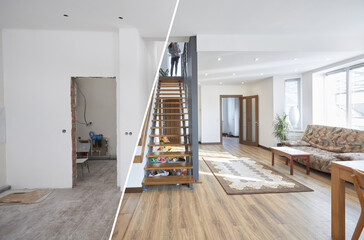
Home renovation is more than just upgrading a property—it is about enhancing comfort, functionality, and style. Over time, homes may need updates due to wear and tear, changing lifestyles, or evolving design preferences. Whether it’s modernizing a kitchen, adding an extra room, or revamping the exterior, home renovation allows homeowners to create a space that meets both aesthetic and practical needs.

The Importance of Home Renovation

Renovating a home provides several advantages that extend beyond visual appeal. It ensures that the property remains safe, functional, and efficient while reflecting the personality and lifestyle of its occupants. Renovations can prevent costly repairs, improve energy efficiency, and increase the overall value of a home.

A well-planned renovation enhances comfort, makes everyday living more enjoyable, and boosts long-term property investment. It is an opportunity to transform outdated spaces into modern, functional areas that accommodate current and future needs.

Common Home Renovation Projects

Home renovation can range from minor updates to major transformations. Some popular projects include:

  • Kitchen Renovation: Upgrading cabinets, countertops, appliances, and layouts to improve efficiency and style.
  • Bathroom Renovation: Installing modern fixtures, better storage, and updated flooring for enhanced comfort.
  • Living Room Renovation: Improving layouts, lighting, and furnishings to create a welcoming and functional space.
  • Bedroom Renovation: Adding built-in storage, updated décor, and functional designs for relaxation and productivity.
  • Basement Finishing: Converting basements into living areas, offices, or entertainment spaces.
  • Exterior Renovation: Updating facades, driveways, landscaping, and outdoor spaces for better curb appeal.

Each renovation project can be tailored to specific needs, allowing homeowners to prioritize comfort, style, or functionality.

Benefits of Home Renovation

Investing in home renovation offers numerous benefits:

  • Increased Home Value: Modern, functional spaces appeal to buyers and enhance resale value.
  • Improved Energy Efficiency: Upgrading insulation, windows, and appliances reduces utility bills.
  • Enhanced Comfort: Renovations create living spaces that are more convenient and enjoyable.
  • Modern Aesthetics: Updated interiors and exteriors reflect current design trends.
  • Safety Improvements: Repairs and updates prevent structural issues and hazards.
  • Personalization: Renovations allow homeowners to customize spaces to suit their lifestyle.

These benefits make renovation a smart choice for homeowners seeking long-term value and comfort.

Planning a Successful Home Renovation

Proper planning is critical to achieving a successful renovation. Homeowners should consider factors such as budget, design, functionality, and timeline. Creating a clear plan helps manage expectations, avoid delays, and ensure that the final results align with goals.

Key planning steps include:

  • Assessing Needs: Identify areas that require updates or improvements.
  • Setting a Budget: Determine costs for materials, labor, and contingencies.
  • Design and Layout: Develop a plan that balances aesthetics and functionality.
  • Hiring Professionals: Engage experienced contractors, designers, or specialists for quality results.
  • Timeline Management: Establish realistic project schedules to minimize disruption.

A well-structured plan sets the foundation for a smooth renovation process.

Home Renovation for Modern Living

Modern homes prioritize open layouts, natural lighting, and multi-functional spaces. Renovations often focus on creating flexible areas that accommodate work, leisure, and family activities.

Integrating smart home technology is also popular in renovations, allowing homeowners to control lighting, climate, security, and entertainment systems efficiently. Energy-efficient appliances and sustainable materials further enhance comfort and reduce long-term costs.

Kitchen and Bathroom Upgrades

Kitchens and bathrooms are among the most frequently renovated areas due to their high usage and impact on daily life.

  • Kitchen Renovation: Upgrading countertops, cabinets, appliances, and layouts improves cooking efficiency and creates a welcoming space for gatherings.
  • Bathroom Renovation: Modern fixtures, better storage, and updated flooring enhance relaxation and functionality.

These renovations not only boost aesthetics but also provide practical benefits for homeowners.

Outdoor and Exterior Renovation

Renovation is not limited to interiors. Enhancing outdoor spaces and exteriors adds curb appeal and extends living areas. Popular outdoor upgrades include patios, decks, landscaping, and facades.

Exterior renovations protect the home from weather-related damage, improve insulation, and create attractive outdoor environments for recreation and socializing.

Choosing the Right Professionals

Professional expertise ensures that renovations are safe, high-quality, and compliant with building codes. Experienced contractors and designers bring knowledge, skill, and creative insight to every project.

Choosing reliable professionals involves considering experience, portfolio, references, and communication skills. Skilled teams help prevent costly mistakes, ensure timely completion, and achieve desired results efficiently.

Eco-Friendly Home Renovation

Sustainability is increasingly important in home renovation. Eco-friendly practices include using energy-efficient appliances, water-saving fixtures, recycled materials, and improved insulation.

Green renovations reduce environmental impact, save on utility bills, and create healthier living spaces. Homeowners benefit from combining aesthetics, comfort, and sustainability in their renovation projects.

When to Renovate

Renovation timing depends on several factors:

  • Home Age: Older homes may require updates to systems, structures, and design.
  • Lifestyle Changes: Expanding families or remote work needs may necessitate functional adjustments.
  • Property Goals: Enhancing value or preparing for resale can prompt renovations.
  • Maintenance Needs: Addressing wear, damage, or outdated systems ensures long-term durability.

Regular assessments help homeowners identify opportunities for timely and effective renovations.

Home renovation is an investment in comfort, style, and long-term property value. From updating kitchens and bathrooms to modernizing living spaces and enhancing exteriors, renovations create functional, beautiful, and sustainable environments.

With careful planning, professional guidance, and attention to detail, homeowners can transform their spaces into modern, enjoyable, and personalized areas. Whether driven by aesthetic goals, functionality, or property value, home renovation provides lasting benefits that enrich everyday living and future-proof homes for years to come.

A thoughtfully executed renovation not only revitalizes a property but also improves the overall quality of life for its occupants.

Metal Craft

The Custom Stair and Railing Design Process Explained

Custom Stairs and Railings

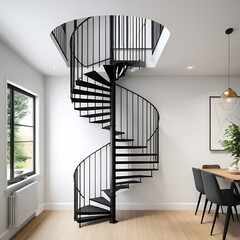
Custom Stairs and Railings are a key element that elevates the aesthetic of your home. It’s important to consider how the new railing will blend with existing features like window trim and flooring.

The process of designing stair railings involves meticulous preparation. This includes accurate measurements, choosing the proper mounting style, and ensuring material compatibility with environmental conditions for outdoor installations.

Designing Your Railing

Designing your stair railing is a great opportunity to enhance the aesthetic of your home. The right combination of materials and design elements can speak to your personal taste and complement existing features like window trim and flooring. To get started, consider creating a mood board to visualize how different colors, materials, and styles will work together. This allows you to experiment with combinations before making any permanent decisions, ensuring that your new handrail will be perfectly at home in your home.

During this stage, you will also need to decide whether your staircase will be wall-mounted or supported by standing posts. This will help determine how the railing is installed, as well as what material it will be made of. Wood is a classic choice that offers warmth and natural elegance, while metal materials like wrought iron or stainless steel offer a sleek, contemporary look. If you are looking to create a more modern design, glass is another option that offers transparency and lightness.

Stair fabrication is an intricate process that requires careful attention to detail. A quality fabrication team will ensure that your stair railing meets building codes and is safe for all users, from children to the elderly. They will also take into account the shape of your staircase, determining the proper height and spacing of balusters and handrails. This ensures that your stair railing is structurally sound and aesthetically pleasing.

Once the design is finalized, skilled craftsmen will begin to build your custom staircase using traditional craftsmanship and premium materials. They will use a range of joinery techniques, from mortise and tenon joints to dowels and dovetails, to provide strength and durability. They will also hand-finish the details, including carved balusters and decorative newel posts, to add character and charm.

Custom stairs can transform a room from ordinary into something special, adding luxury and sophistication. They are also a worthy investment, adding to your home’s value and increasing its resale appeal. The benefits of a bespoke staircase extend to the rest of your home, creating a consistent design language throughout the space.

Materials

The materials chosen for a staircase and railing make a significant difference in both aesthetics and structural integrity. The right combination of materials can create a truly unique look that integrates seamlessly with your home design and complements existing features like window trim and flooring. A good way to test your options is to use a mood board, which allows you to visualize how different colors, materials and styles will interact with the rest of your home.

A staircase is comprised of four basic components: treads, which are the horizontal surfaces that people step on; risers, which are vertical elements separating each step; and stringers, which provide stability and support. The stair fabrication process begins with careful planning, including accurate measurements and adhering to building codes regarding dimensions and load capacity. Once the planning phase is complete, the materials are cut and prepared for installation.

Stairs are typically made of wood, though a variety of other materials is available. Metals, for example, offer sleek, modern aesthetics, while glass and wrought iron can complement a range of design styles. Stairs can also be designed to incorporate natural elements, such as stone or marble, to add a sense of luxury and grandeur.

In addition to ensuring proper fit, each component is fastened securely using screws and other fasteners. Depending on the material, it may be necessary to apply sealers or protectors to help preserve and extend its lifespan. Decorative finishes like paint or stain complete the look and add a personal touch to each staircase.

Tools used during stair construction include measuring tape for precise cuts, a miter saw for angles, a drill with bits to accommodate screws and other fasteners, a screwdriver or wrenches, a sanding block or electric sander for smoothing surfaces, a level for ensuring a balanced look, and paintbrushes or stain applicators to finish the project. Choosing the right tools will ensure an accurate, high-quality final product.

Installation

Custom stairs and railings add beauty, function, and value to a home. Whether it’s a grand staircase in the foyer or a simple railing along a balcony, it’s important to create harmony with surrounding elements like window trim and flooring. This is not only to ensure safety, but also to preserve the integrity of the overall design scheme. High-quality materials and expert craftsmanship guarantee durability and stability.

During the design phase, it is important to take accurate measurements of the space and consider existing architectural elements that might influence or interfere with a new staircase design. Sketching a detailed plan or layout is helpful in understanding the final outcome and can help prevent costly mistakes during installation.

Once the design is completed, it’s time to begin the installation process. To start, it is important to carefully measure and mark the location of each newel post (the main support posts for the staircase). This is especially critical if the stair has turns or landings, as you’ll want to make sure your railings are properly aligned. Next, you’ll need to determine if the handrail will be top or side mounted, which can impact stability and aesthetics. Finally, you’ll need to decide on baluster spacing, which can range from tightly packed to open for a more contemporary look.

After the stair railing is installed, it’s time to finish up with decorative elements like posts caps and finials. These can be a fun way to bring in a pop of color or keep with a more classic, timeless look. Finally, you’ll need to stain or paint your railing based on your desired aesthetic. Staining preserves the natural wood grain while painting offers a variety of color options.

After your stair railing is finished, it’s important to perform routine maintenance to preserve the longevity of your investment. This includes regularly inspecting for signs of damage or wear, and addressing any issues promptly to avoid more costly repairs down the line. In addition, regular cleaning and application of a protective coating or sealant will keep your stair railings looking beautiful and functioning smoothly for years to come.

Maintenance

Stairs and railings serve both practical and decorative purposes, making them an important part of the overall design and flow of a home. Collaborating with a professional can ensure that the finished product aligns with your specific house plan and enhances your home’s aesthetic.

Proper maintenance is critical to the durability and longevity of stairs and railings. This process should include a thorough inspection and cleaning to prevent moisture buildup, rot, or rust. It also ensures that the structure meets all safety and stability requirements.

If your staircase is made from wood, it may need to be sanded and refinished periodically. Metal railings should be inspected regularly for rust spots and treated with a rust-inhibiting primer, followed by a rust-resistant coating.

Regular sweeping and mopping can reduce dirt buildup, which can lead to a slippery surface and potential accidents. It’s also a good idea to add anti-slip treads or strips to the steps to reduce the risk of falls, particularly in wet or icy conditions.

For outdoor stairs, it’s important to keep vegetation trimmed back to avoid moisture accumulation, which can cause wood to rot and metal to rust. Regular inspections should be conducted to identify any issues and address them as quickly as possible to avoid costly repairs or replacements.

A well-maintained staircase will contribute to the safety and comfort of your family, guests, and visitors, while adding to your home’s curb appeal. By taking the proper precautions and hiring a professional for any needed maintenance, you can enjoy your custom stairs and railings for years to come.

A properly installed staircase can make your Fairfax home more attractive and increase its value. If you are considering upgrading your staircase, consult with an experienced contractor to ensure that the final result meets all of your specifications and quality standards. They will help you choose the right materials, size, shape, and color to match the rest of your décor. They will also recommend the best care and maintenance practices that are specific to your railing material and style.

Cabinet Refinishing

How Much Does Cabinet Painting Cost?

Cabinet Painting Sacramento

Cabinet Painting Sacramento is a cost-effective way to refresh your kitchen and can yield an impressive return on investment through increased resale value. The scope of your project, paint selection, and prep work will all influence costs.

Proper preparation can extend the cabinet painting timeline and add to labor costs, while opting for premium paint can ensure a long-lasting finish.

Labor

When hiring a professional cabinet painter, the labor costs can vary widely. Some painters charge per cabinet face, while others may bill by the hour. The number of cabinets will also affect the cost, as larger kitchens require more time to paint. In addition, if the cabinets have to be stripped or prepped in some way, these additional steps will add to the overall project cost. The type of paint and method of painting also affect the cost. Premium paints often come with a higher price tag, but they offer better durability and coverage. They also typically last longer than budget paints.

The color of the cabinets also impacts the painting costs. Dark colors tend to require more coats, which will increase labor costs. In contrast, light or neutral shades will usually only need a few coats. Another factor is if the existing hardware will be reused or replaced. This can make a significant difference in the total cost of the job.

During the prep process, the cabinet painters will clean and sand the surfaces before painting. This is a crucial step that will determine how well the finished result looks. This process can take a long time, and it’s best left to a skilled professional. If you try to tackle the project yourself, you’ll likely have to spend twice as much time on the job in order to achieve a good result.

In some cases, it’s cheaper to repaint your cabinets rather than replace them. This can save you thousands compared to the cost of a full kitchen renovation. Depending on your tastes and budget, you can choose from a variety of finishes, including high-gloss and matte. However, keep in mind that glossy surfaces are more difficult to maintain and will show dust and fingerprints more prominently than a matte finish.

You can reduce the cost of your cabinet painting project by selecting affordable paint and supplies. Look for mid-range paints that balance quality and affordability. Also, try to limit the scope of your color change to avoid extra coats and extra labor. If you’re changing the entire color scheme, consider using a spray painter for a smooth and even finish. This technique uses high pressure to atomize the paint, which results in a much finer finish than brush or roller applications.

Materials

Cabinet painting is a cost-effective alternative to replacing your kitchen cabinets. It’s typically less expensive and can be completed within a shorter timeframe, minimizing disruption to your daily life. However, it’s important to consider all the factors that affect cost. For example, labor represents 60-85% of the total cost when hiring professional painters. Labor rates vary, with higher costs in cities or regions with a high cost of living. It’s also important to factor in any additional tasks or considerations that may increase the overall cost. For example, relocating appliances or masking adjacent surfaces will add to the total project costs. Replacing or upgrading hardware, as well as repairing cracks and dents, can also significantly impact the total costs.

The materials you choose will also impact the price of your cabinet painting project. Higher-quality paints often have a higher price tag but offer superior durability and coverage. In addition, higher-end materials like glazes and metallics can cost more than standard paint options. To cut costs, consider using an affordable mid-range paint that offers quality results without breaking the bank.

In terms of materials, you’ll want to make sure that your contractor uses low-VOC or zero-VOC paints. These paints are safer for the environment and your family, and they also emit fewer harmful chemicals during and after application. Additionally, you’ll want to avoid expensive specialty finishes or extras like decorative effects.

Labor is the biggest contributor to the cost of cabinet painting, as it accounts for 60-85% of the total bill. This includes the cost of hiring professional painters, as well as the materials and supplies needed for the job. Painting contractors usually charge by the hour, and their rate varies widely based on location, market, and experience. The size of the kitchen, number of cabinets, and the condition of the existing cabinets will also influence labor costs.

It’s worth noting that staining cabinets can be more cost-effective than painting, depending on your preferences. Staining allows the natural wood grain to show through and requires less effort than painting. However, it’s also important to remember that staining won’t provide as much color or style customization as painting.

Prep work

If you want a smooth, professional-looking finish, you need to do a thorough job of prep work before painting cabinets. This includes cleaning, sanding, and priming the surface before applying paint. These steps help ensure a long-lasting, attractive result that enhances your entire kitchen. Skipping these steps can lead to a messy, uneven paint job, so it’s worth investing the time and effort to do it properly.

The size of your kitchen is another significant factor in cabinet painting costs. Larger kitchens have more surfaces, so they require more labor and paint to cover. This also applies to kitchens with an open-concept design, which may feature cabinets in multiple areas.

Your choice of paint color can also impact cabinet painting costs. Premium paints tend to cost more, but they offer better durability and coverage. On the other hand, budget paints can provide satisfactory results for a fraction of the cost. If you’re trying to stay within a specific budget, it’s a good idea to limit your changes and opt for neutral shades that won’t require as many coats.

In addition to the type of paint, your project will also be influenced by the method of application. Professional spray painting is faster and more efficient than brush-and-roll techniques, but it requires specialized equipment that adds to the overall cost.

Some people choose to replace their cabinet hardware during a paint project, which can also increase costs. If you’re considering this option, it’s best to budget for it separately from the cabinet painting cost. This is because replacing cabinet hardware typically involves removing and installing new hinges and knobs, which can take several hours per cabinet door or drawer front. It’s also a good idea to reuse existing hardware, especially if it’s in excellent condition. This can save you the cost of buying and installing new hinges and knobs, as well as reduce labor costs.

Paint

Cabinets are the most visible element of any kitchen, and repainting or refinishing them can provide a significant visual impact without the expense of major renovations. However, the cost of painting cabinets varies by type and style, as well as color, labor rates, and paint quality. Depending on your goals, a professional can help you determine the best approach to suit your budget and taste.

Cabinet painting involves thorough surface prep, including sanding and priming. The type of finish you choose can also influence the price, as some types of paint require specialized techniques and may be more expensive than others. For example, a glossy finish requires more layers to achieve full coverage, which can drive up material costs. The number of cabinet doors and drawer fronts will also affect the total cost, as larger surfaces require more effort to cover.

The material of your cabinets can also influence the cost, as some types of wood are more resistant to paint adherence than others. Laminate and melamine cabinetry, for instance, need extra surface prep before paint application, increasing labor costs. Other details can also add to the cost, including raised panels or moldings. These features can be difficult to reach and can take more time to paint, which can increase labor rates.

The type of paint you use can also influence the cost, as premium paints may offer superior durability and coverage compared to budget options. While they tend to come with a higher price tag, they can save you money in the long run by resisting wear and tear more effectively and offering greater longevity.

Your paint color choice can also impact the overall cabinet painting cost, as lighter colors generally require fewer coats to hide existing cabinetry, while dark hues can require more to achieve the desired look. Custom or specialized paints can also be more expensive than basic whites or other neutral shades, driving up material and labor costs.

The type of method used to paint the cabinets will also influence the final cost, as spray painting is typically more efficient and produces a smoother finish than brush and roller methods. Using a sprayer also requires specialized equipment that can increase material and labor costs.

Home Improvement

How to Fix Peeling Or Chipped Cabinet Paint

Cabinet painting is an intricate art that requires special knowledge to achieve a long-lasting finish. Learn the tricks professional cabinet painters use to prevent paint chipping and keep your cabinets looking like new. Investing in a high-quality paint that resists chips and wear is important for maintaining the look of your cabinets. To avoid the need for frequent touch-ups, regular maintenance is necessary.

Cabinet

Cabinet Painters can transform a room, giving it a new and fresh appearance. However, if it isn’t done properly, peeling paint can ruin the overall look and shorten its lifespan. The humid climate of Alexandria, improper application, or using the wrong type of paint can all contribute to this problem. Here are some best practices for avoiding and fixing peeling cabinet paint to ensure your beautiful new finish lasts as long as possible.

Start by cleaning the surface of the cabinet where the paint is chipping. You’ll want to remove any dust or debris and wipe the surface down with a degreaser to remove grease. Be sure to allow the area to dry completely before proceeding.

Lightly sand the areas where the paint is chipping. Ideally, you should use 320 grit sandpaper to avoid removing too much of the existing finish. Using a very light touch is key to successfully touching up chipped areas and making them blend in seamlessly with the rest of the paint.

Once the sanded area is clean, you can apply your touch up paint. It’s important that you choose a paint with a similar sheen to your cabinets to make the touch-up as seamless as possible. If you aren’t sure what sheen you need, ask the paint counter at your local hardware store for help. They can run a sample of your cabinet color through their cool Matchrite iVue machine to match the exact shade and sheen that you need.

Once you have your custom paint ready, apply a few thin coats of it to the affected areas and allow each one to dry fully before applying another. This is the trick to creating a flawless finish that won’t chip or peel in the future.

Clean the Surface

A fresh coat of cabinet paint can instantly update the appearance of a room. However, without proper care and maintenance, your new cabinets can deteriorate within months or even weeks of installation. Paint chipping is one of the most common problems that affects painted surfaces and it’s often caused by a combination of factors, including poor application, improper cleaning, or the Alexandria’s humid climate. Fortunately, there are several best practices that professional cabinet painters use to prevent paint chipping and ensure that your kitchen or bathroom cabinets remain gorgeous for years to come.

First, you need to clean the surface of your cabinet paint. The best way to do this is to use a soft cloth dampened with a degreaser or dishwashing liquid. After you’ve cleaned the surface, dry it with a clean cloth or towel. Avoid using harsh scouring powders or abrasive cleaning products; these can scratch or damage the wood.

Once the surface is clean, it’s time to sand the chipped areas. You can use a handheld sander or a power sander to accomplish this task, depending on the size of the chips and the condition of the surface. When you sand, you’ll want to focus on the damaged areas. Make sure that you use a fine-grit sandpaper (320 works well) to minimize the risk of damaging the underlying wood.

If the cabinets have been previously painted and the paint is already chipping, you can apply a bonding primer to improve adhesion before repainting. An oil-based primer is ideal, but if you choose to use an acrylic primer, choose one that is designed for cabinet and trim enamel. For example, a favorite among professional painters is Fresh Start High-Hiding All-Purpose Primer; it provides excellent hide and suppresses stains. After applying the primer, let it dry for an hour or so.

Sand the Surface

When painting over a previous coat of paint it is almost always necessary to sand the surface. This will create a smoother surface for the new paint to adhere to, and it will help the chipped areas blend in with the rest of the cabinet. You can use a hand held sanding sponge or a block sander for this task. It is important to choose a sandpaper grit that matches your existing cabinet finish. If you aren’t sure what grit your cabinet is painted with, get a sample at the paint counter and apply it to an out of the way area on your cabinet to see how it looks.

After sanding, wipe the cabinet surfaces down with a degreaser to ensure they are completely clean. You should also clean the cabinet hardware and hinges. Using a microfiber rag and warm water should be enough to remove any grease build up, but you may need to use a stronger product like TSP Heavy Duty cleaner. Make sure you follow the TSP’s instructions on how to use it and always work in a well ventilated area.

If you’re not going to re-stain the cabinets you can skip this step, but if they are stained it’s essential. If you don’t sand the cabinets before staining they will be abrasive and won’t take stains well, so you will have to repaint them. You should also sand the cabinet hinges and hardware to prepare them for reinstallation. Once the sanding and cleaning are done it’s time to start painting. The best cabinet paint is a high-quality oil-based primer, but if you are only doing touch-ups you can usually get away with just using a regular latex wall paint.

Apply Multiple Thin Coats of Paint

Cabinet painting is a great way to refresh the look of your kitchen. But when the new paint starts to chip, you need to act quickly before the problem worsens. Avoiding chipping and peeling after refinishing is all about proper preparation, using the right products, and applying thin coats. Here are some tips to keep in mind to prevent your cabinets from becoming a paint chip nightmare:

Whether you’re doing touch-ups or repainting your entire kitchen, multiple thin coats are always better than one thick coat. Thin coats allow the finish to dry more evenly, minimizing brush strokes and imperfections. They also help the finish hold up against daily wear and tear.

The type of paint you use is also important. Choose a durable, high-quality paint made specifically for cabinets or other high-traffic areas. Low-quality products may not adhere to the surface as well, leading to a less durable finish that chips and peels more easily.

Improper Surface Preparation

The surface of your cabinets must be clean and sanded before applying any paint or stain. If grease, dirt, or old varnish is still on the surface, it can cause problems with adhesion and lead to chipping and peeling over time. Skipping the sanding step or using a low-quality sandpaper can also cause problems.

Choosing the Right Primer

Apply a Sealant

A fresh coat of paint can transform your kitchen cabinets, giving the space a beautiful new look. However, the elation can turn to disappointment when the paint chips and starts to peel in just a few months. This is a common problem among homeowners, often due to moisture in the Alexandria area, poor prep work, or cheap paint. Luckily, it’s also one of the easiest fixes!

Start by carefully cleaning the cabinet surfaces to remove any grease or dust. A degreaser or a damp cloth will do the trick. Once the surface is clean, lightly sand the chipped areas to smooth them out. Use a piece of 320-grit sandpaper for this task, which will give the surface an even finish without taking off too much extra paint.

Once the sanded areas are completely dry, apply multiple thin coats of paint to the affected surfaces. Allow each coat to dry fully between applications. It’s important to apply many light layers in order to ensure that the new paint blends well with the existing layer and doesn’t look too obvious.

Finally, if you’re using a custom-tinted paint and don’t have a sample in the same sheen, do a test patch on an out-of-the-way spot of your cabinets to make sure that the touch ups will match. This step isn’t usually necessary when working with touch ups, but it’s a good idea in general to avoid sheen differences if possible.

With the right preparation and application techniques, your cabinet painting job can last a long time! Investing in high-quality paint and taking care to prepare the surface properly will help keep your cabinets looking great for longer.

Electrical Contractor

How to Choose the Right Electrical Contractor

Choosing the right electrical contractor for your project is crucial for quality, safety, and peace of mind. A little bit of diligence now can save you costly repairs and headaches down the road. The first step is to assess the scope of the work. Next, compare contractors based on the following criteria:

Experience

Electrical Contractor

When you’re looking to hire a commercial electrical contractor, experience is a key factor. Experienced contractors from Nash Electric LLC can complete your project safely, efficiently and with minimal downtime. They’ll also be able to spot potential design issues or oversights early on, allowing them to mitigate damage and keep the cost of the project under control.

It’s important to ask about the experience of a prospective electrical contractor, including past projects and references. It’s also helpful to find out about their safety procedures and warranty/closeout process. Buyer-focused checklists consistently show that asking these questions up front can prevent delays, scope confusion and surprise costs down the road.

In addition to experience, look for a contractor that can demonstrate a commitment to excellence. This may be through accreditations, awards, or a strong record of customer satisfaction. It’s also a good idea to consider whether the contractor has the resources and capacity to take on your project. If they’re understaffed or don’t have the resources to complete your project, it can cause delays and potentially impact quality.

A good electrical contractor should be able to clearly explain their services and provide you with references from previous clients. They should also be able to answer any questions you might have about their qualifications, licensing and insurance coverage. Be wary of contractors who evade your questions or seem reluctant to provide you with the information you need. This may be a red flag that they are not a good fit for your project.

Licenses

If you’re going to be spending a significant amount of money on an electrical project, it makes sense to hire someone who is licensed, insured and qualified. This will ensure that the work is done correctly and in compliance with local codes. It also provides you with peace of mind that your home or business is safe from any electrical problems or hazards.

In New York, the requirements to obtain a license as an electrician are very strict. You’ll need to have at least seven and a half years of experience in the industry, plus 10,500 hours of on-the-job training. Many contractors will also need to pass one or more rigorous exams. If you’re unsure whether your prospective contractor is licensed, you can always call the local building department or ask for proof of their license number.

Another important consideration is the safety of the company’s employees. A good contractor will have a comprehensive workplace safety program in place to protect their workers and customers from accidents. RJ Martin Electric, for example, offers a drug-free environment and extensive employee benefits that include paid time off, health insurance and tuition reimbursement.

It’s also worth mentioning that many electrical projects require permits and inspections in order to comply with local building codes. A reputable contractor should be familiar with the process and handle all the paperwork on your behalf. Be wary of any contractors who suggest skipping permits, as this could lead to fines or unsafe conditions down the line.

Insurance

Whether you are rewiring a house or installing electric car charging stations, a quality contractor will have the proper insurance and coverage to ensure your project is safe and secure. They should be able to explain the insurance and coverage they have to you in simple terms so that you can make an informed decision about hiring them for your job.

Generally, electrical contractors should carry several different types of business insurance policies. These may include general liability, errors and omissions, commercial auto, and workers’ compensation insurance. All of these are important for electricians because they face unique risks that other businesses may not.

For example, if you are working on a jobsite and someone trips over a wire, your general liability policy could help pay for medical expenses and other damages. Errors and omissions (also known as professional liability) insurance protects you if a client claims your work caused them financial harm. If a homebuilder finds you made a mistake when wiring their new custom home and they are not happy, this type of insurance can help pay for legal fees or settlement costs.

Finally, most states require you to have workers’ compensation insurance for any employees that are injured while working on your projects. This helps pay for their medical bills, disability payments, and other losses. It also helps cover funeral costs and lost wages for loved ones if they are killed on the job.

A good contractor will also have business property insurance to cover the equipment you use for your work in case it is stolen or damaged. Finally, a business auto policy will cover any vehicles you use to transport your equipment or meet with clients.

Reputation

When it comes to commercial electrical work, you want a contractor with a solid reputation. You should be able to find online reviews and testimonials from past clients that can help you make your decision. Choosing the right electrical contractor can have a huge impact on your project timelines, costs, and overall quality of work. A reputable contractor will have the knowledge and experience to provide high-quality results that you can count on.

Another factor to consider when choosing an electrical contractor is their range of services. Ideally, you want to work with a company that offers a full spectrum of electrical construction services, from planning to completion. This includes power distribution, lighting, and panel installations, as well as low-voltage installations. In addition, look for a company that offers prefabrication electrical solutions and 24/7 electrical service. This will ensure that your business remains operational and safe around the clock.

You should also check if a potential contractor is licensed and insured. This is important to protect your property from liability in the event of an accident or damage during the project. A licensed contractor is required by law to follow strict industry standards and practices, which can help you avoid costly delays and mistakes.

Finally, make sure to ask about the company’s safety policies and training programs. A reputable contractor will prioritize safety and take all necessary precautions to protect their employees, clients, and the facility.

When it comes to commercial electrical work, a single misstep can have major consequences for your business. Choosing the right electrical contractor can help you save money, improve productivity, and keep your customers and employees safe. By taking the time to research and select the right partner, you can be confident that your project will be completed on-time and on-budget.

Pricing

When you’re selecting a commercial electrical contractor, pricing is important. It helps you determine whether the contractor is flexible or budget-conscious. Depending on the industry, you might see contractors charging hourly rates or flat-rate prices. The latter is a popular way to manage costs, protect margins, and offer flexibility for customers who want a fixed price.

Both approaches have pros and cons, but you should be able to easily compare the pricing of each contractor. You can also look for competitive insights like the average cost of a low voltage system or fire alarm installation.

Aside from pricing, you should be able to assess the contractor’s reliability and service standards through customer feedback and past experience. A thorough search that includes a review of online reviews, referrals from friends and business associates, and a discussion of project history can help you select the right contractor for your needs.

The right contractor can help your business reduce energy costs, improve efficiency, and meet regulatory compliance requirements. A professional contractor has the technical ability to quantify energy savings and performance gains and provides ongoing optimization services. They can also help you find financing options for your electrical projects, minimizing upfront capital investments and increasing project ROI.

Choosing the right electrical contractor is pivotal in ensuring safety and project success. By evaluating the quality of their work, insurance, and licensing, you can rest assured that they have your back. It’s important to keep in mind that hiring an unlicensed electrician can result in costly legal complications. In addition, it’s essential to hire an experienced electrical contractor who can perform the job safely and efficiently. With the right knowledge and research, you can be confident that your business’s electrical systems will be well-cared for and maintained for years to come.